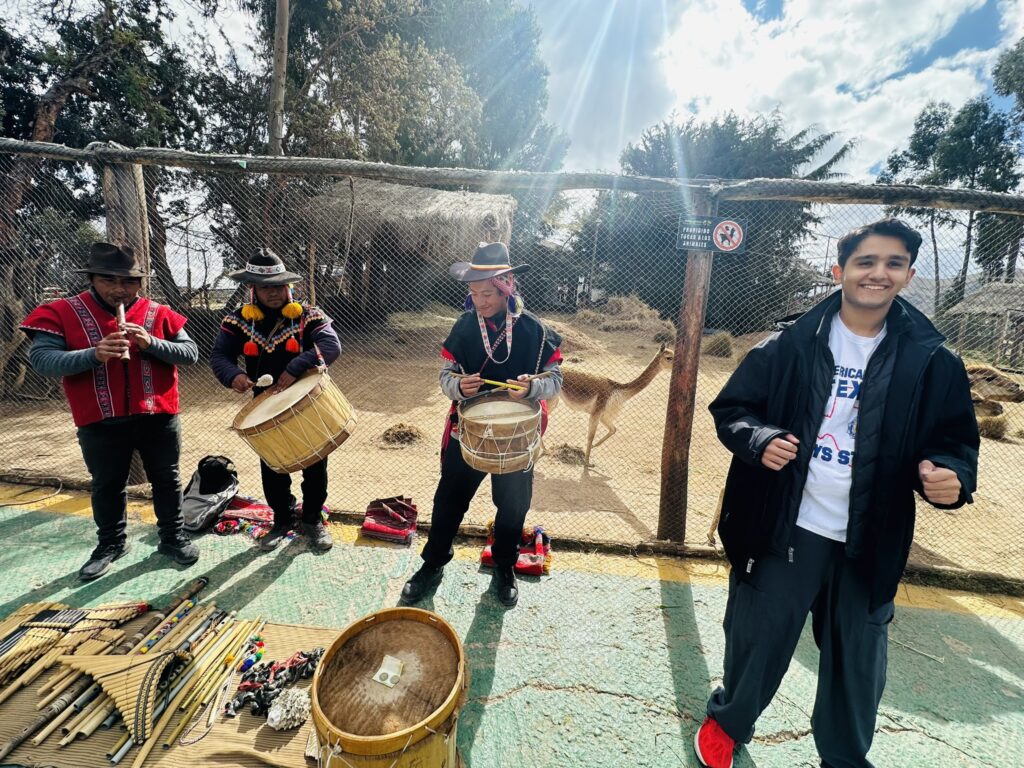
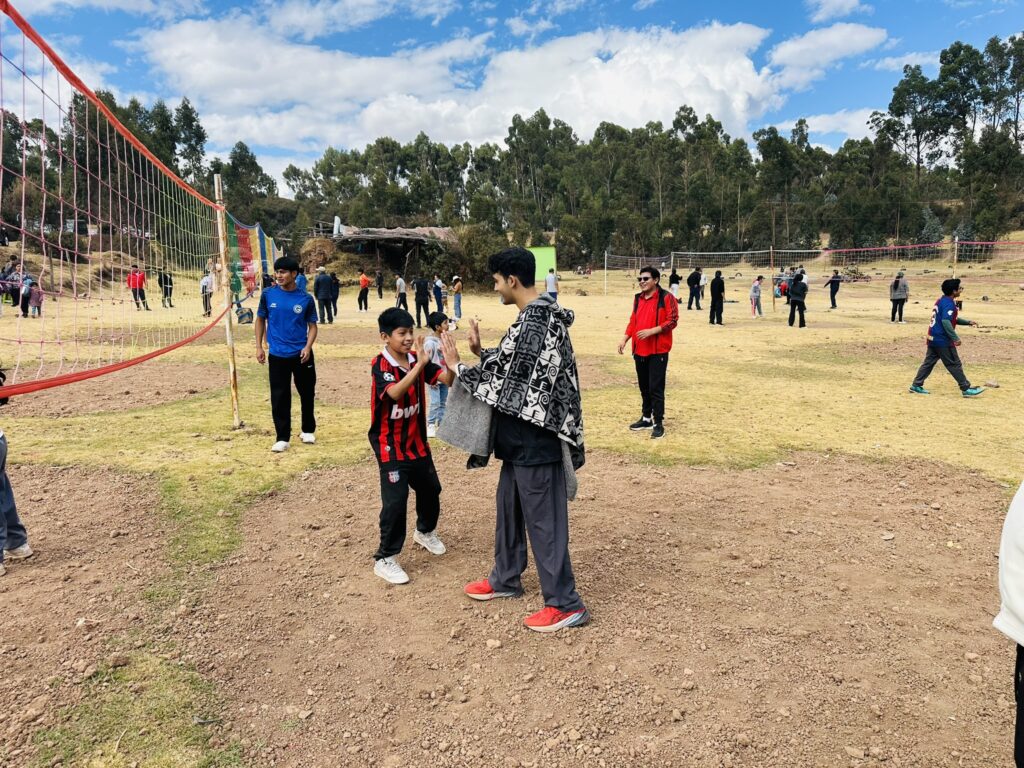
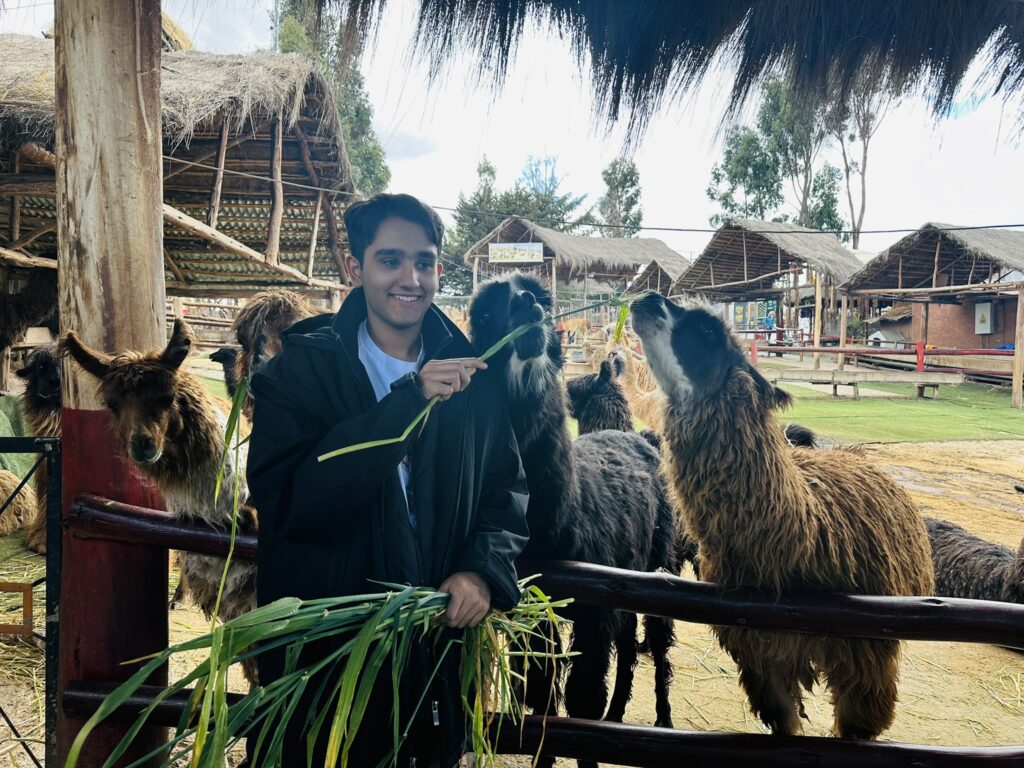
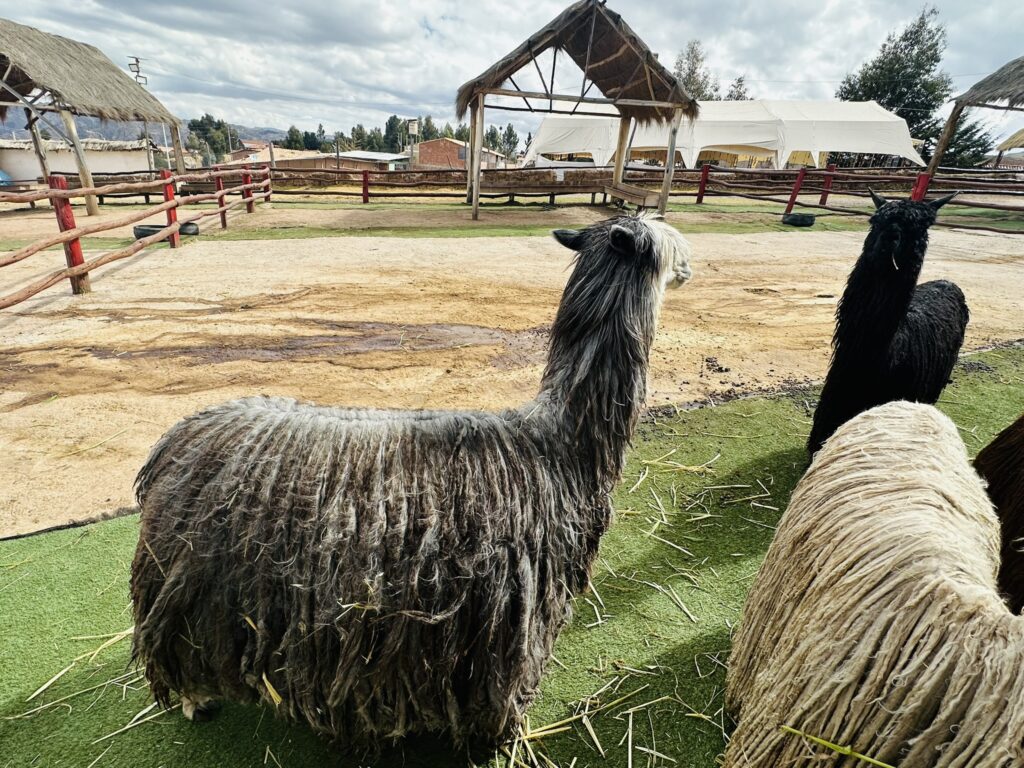
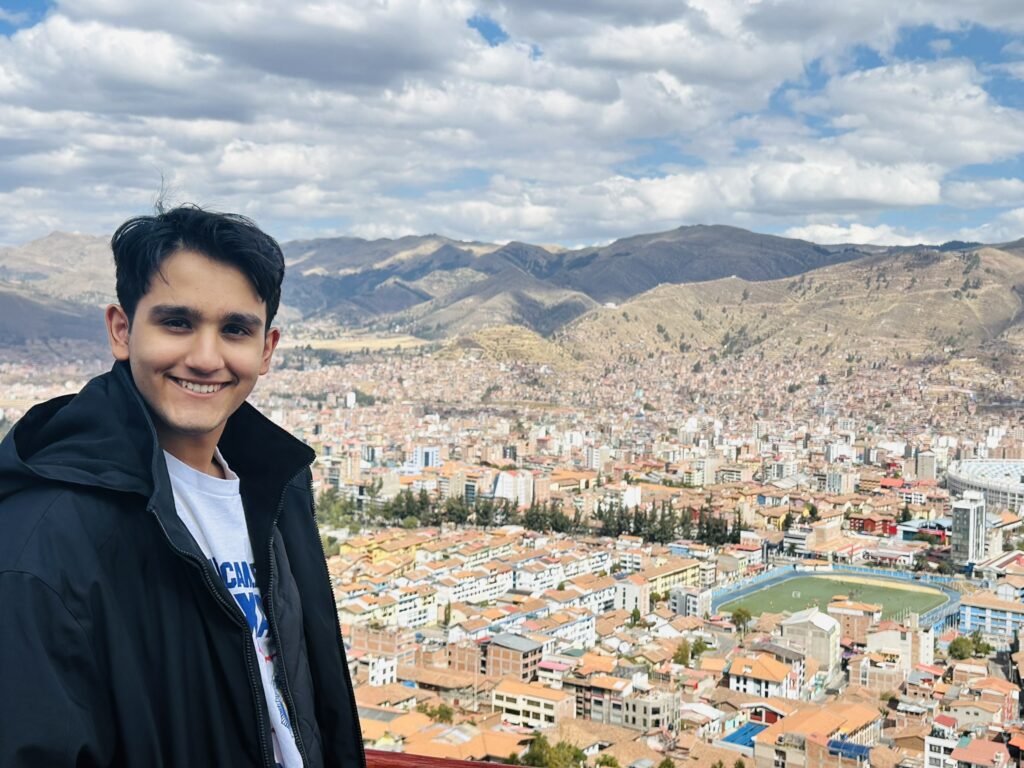
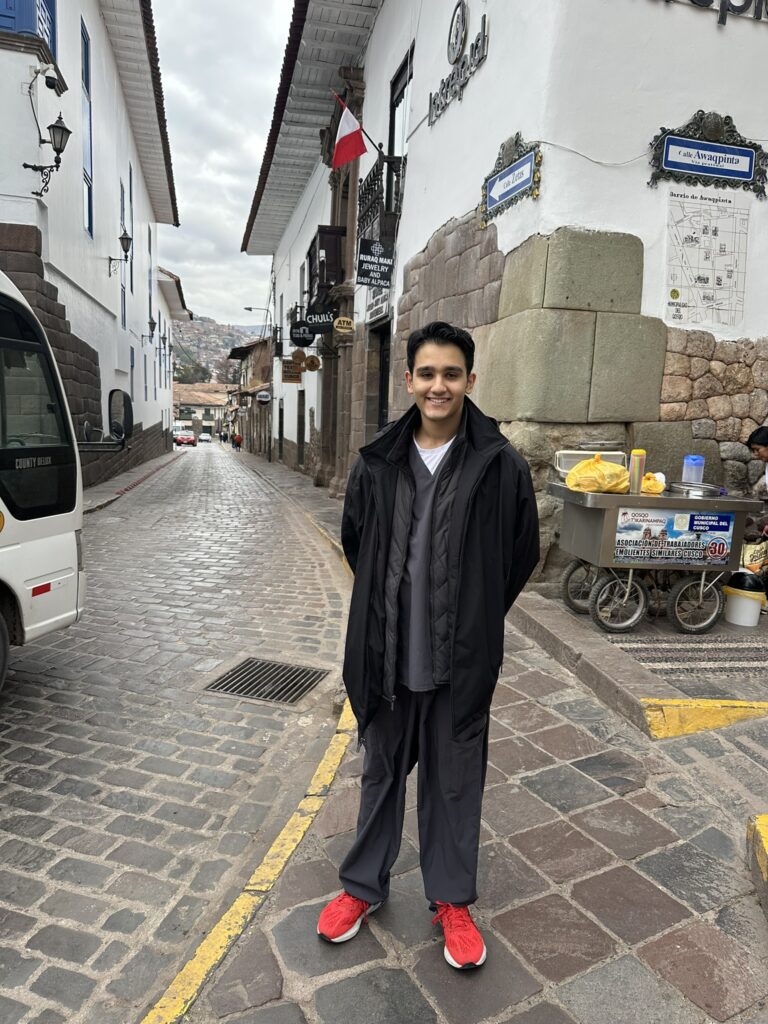
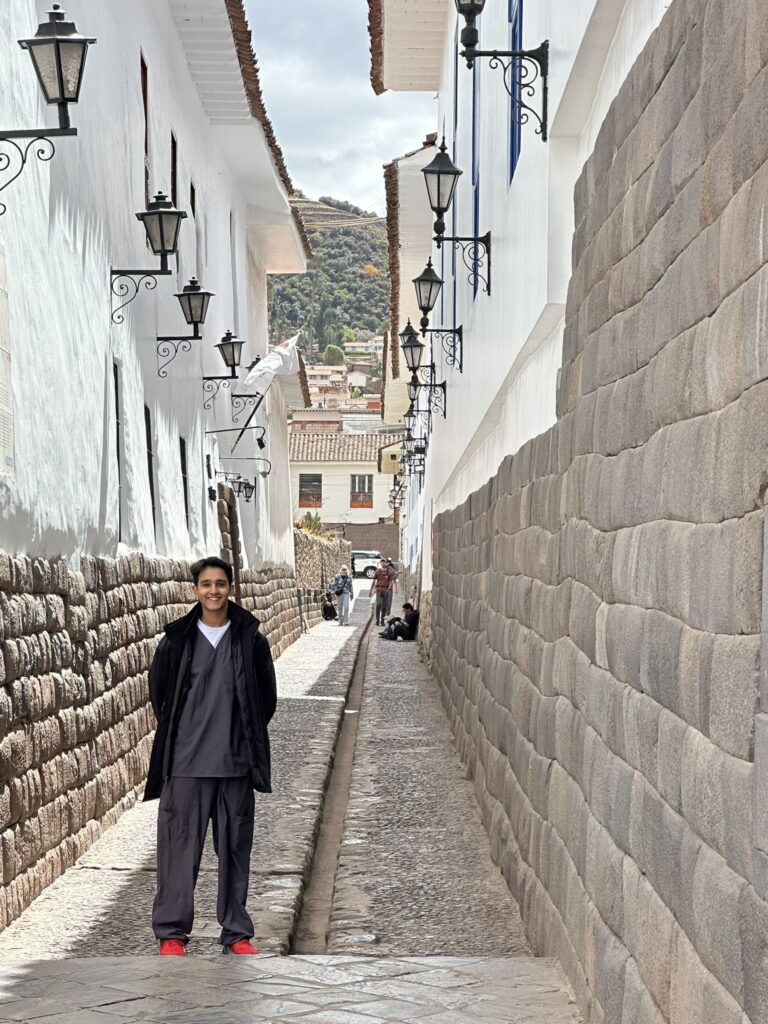
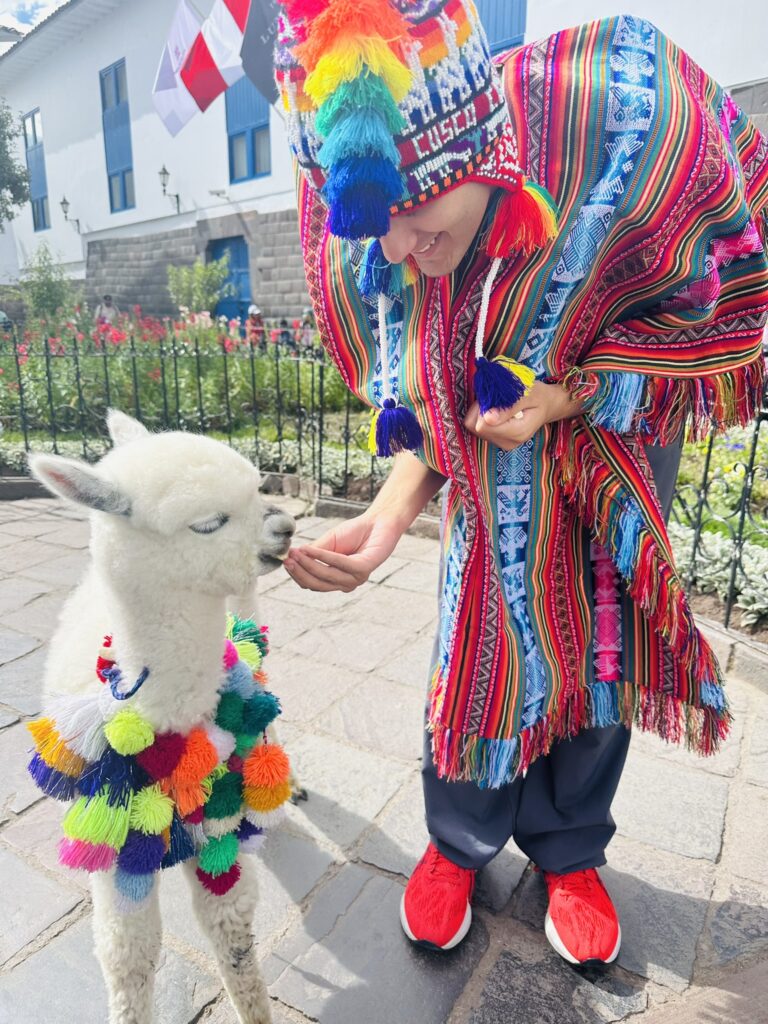
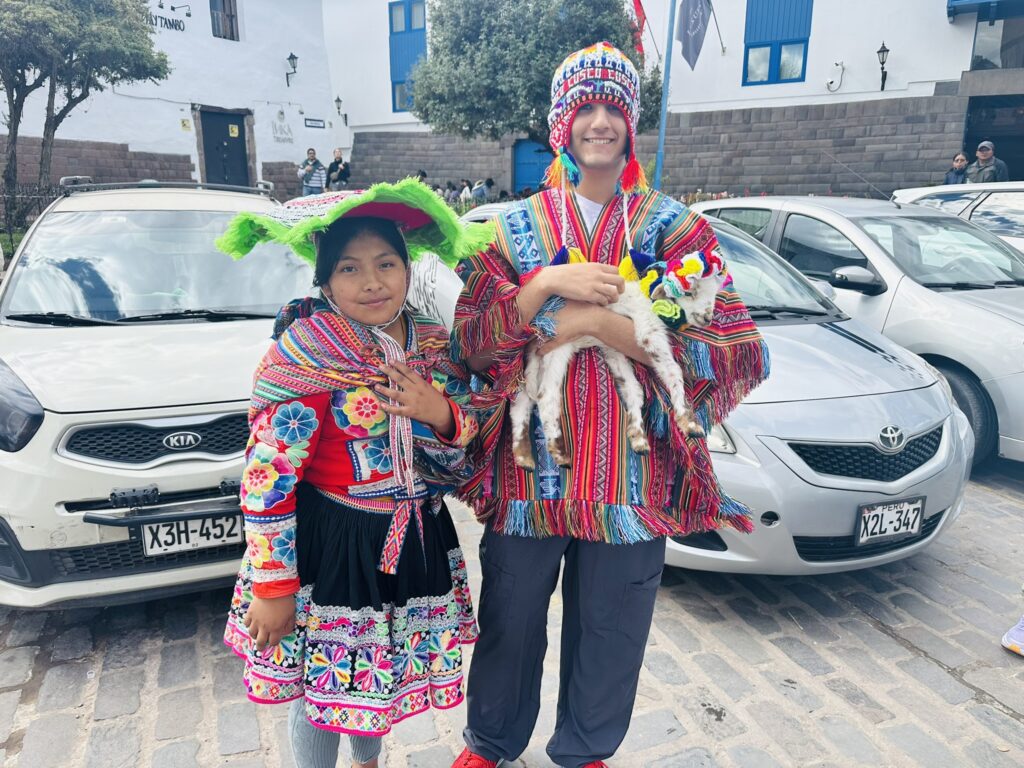
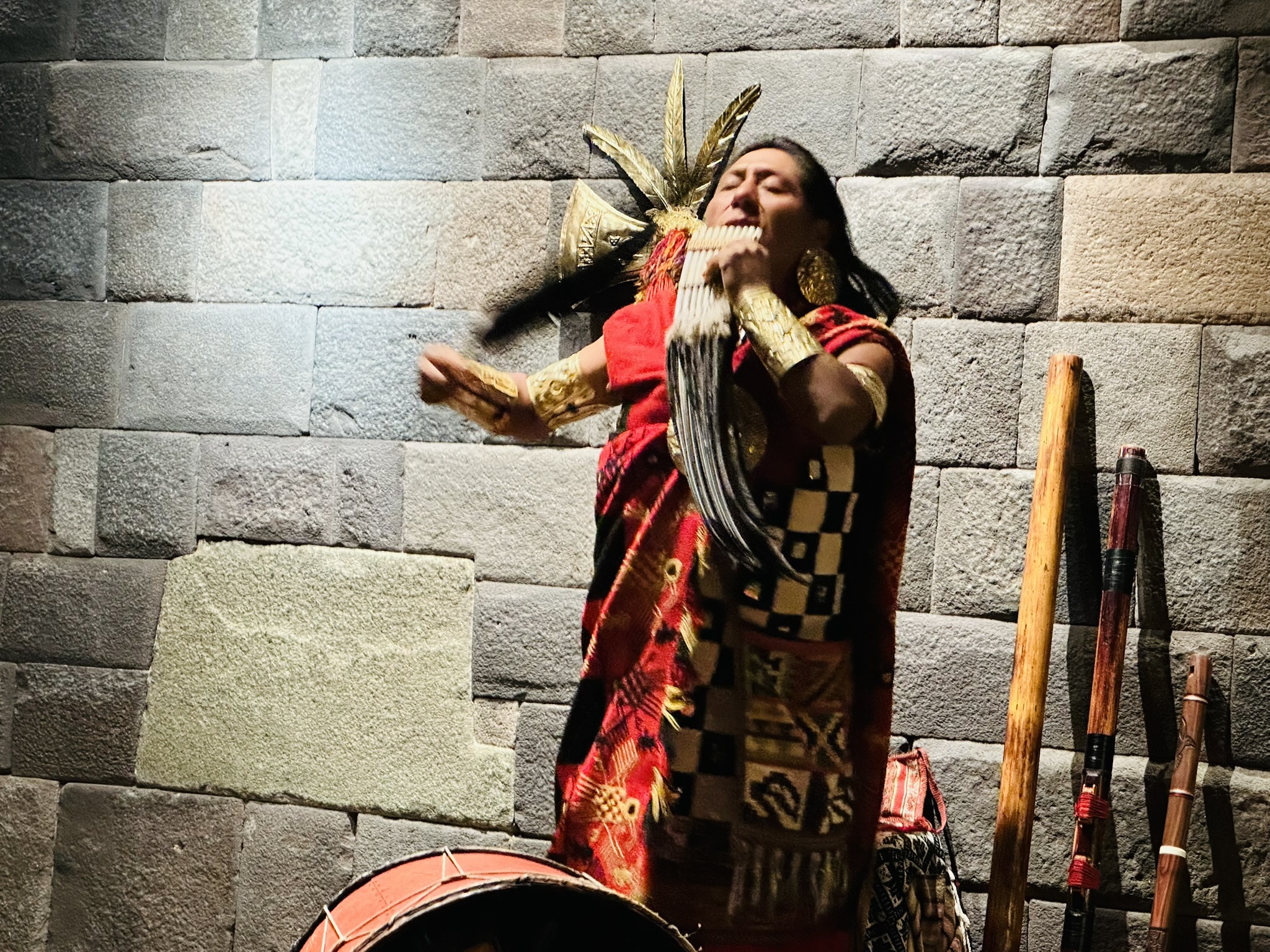
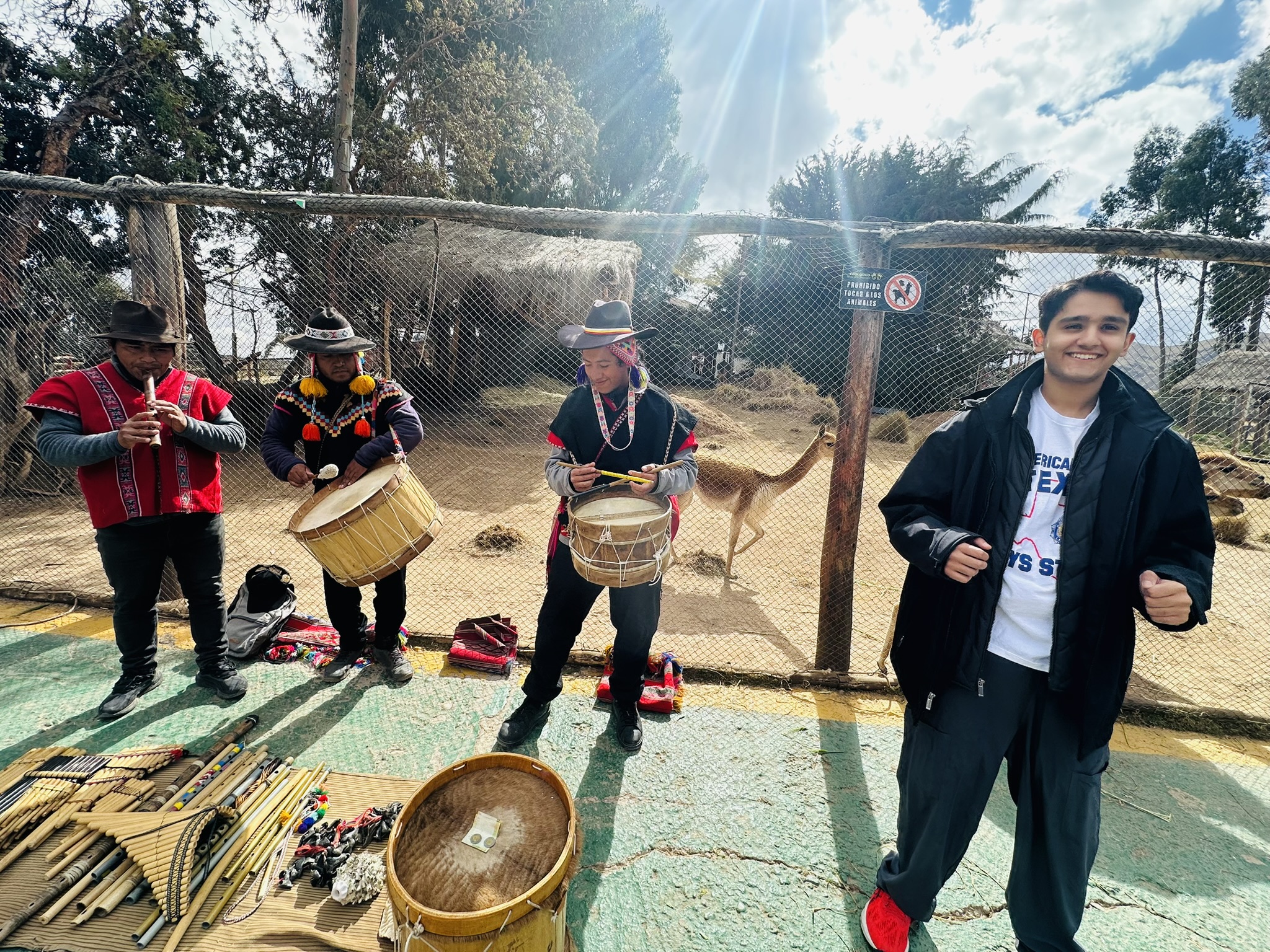
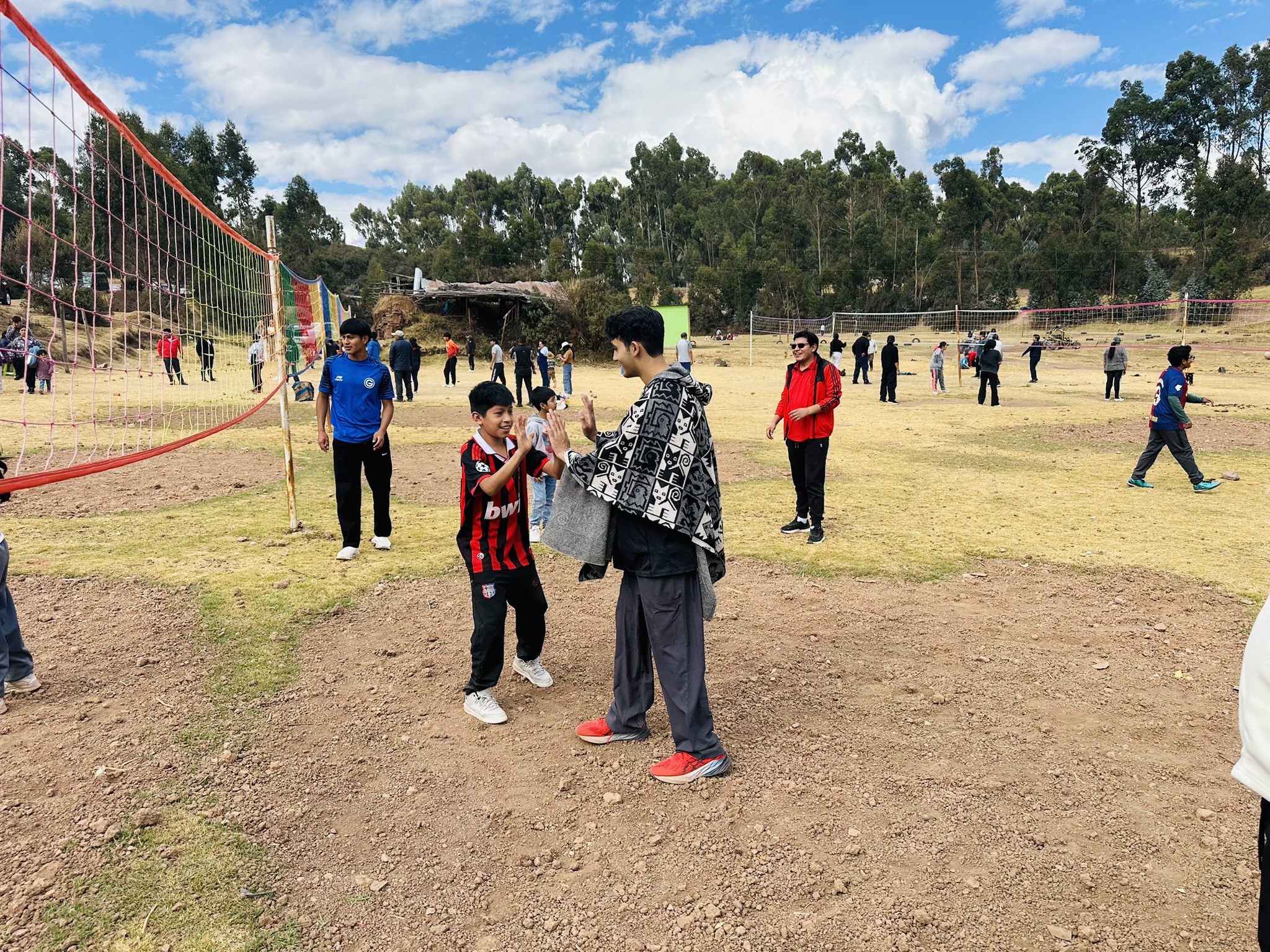
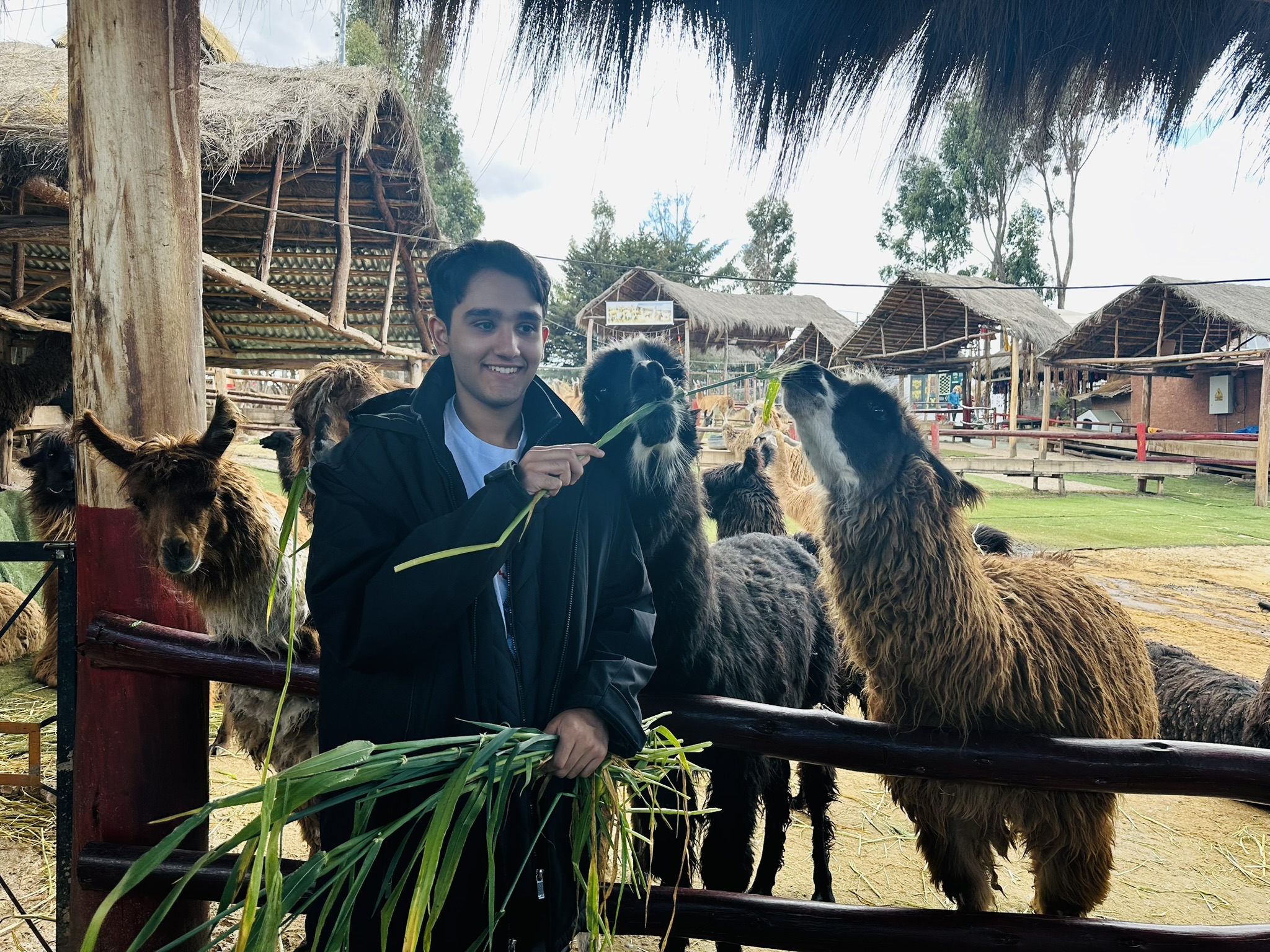
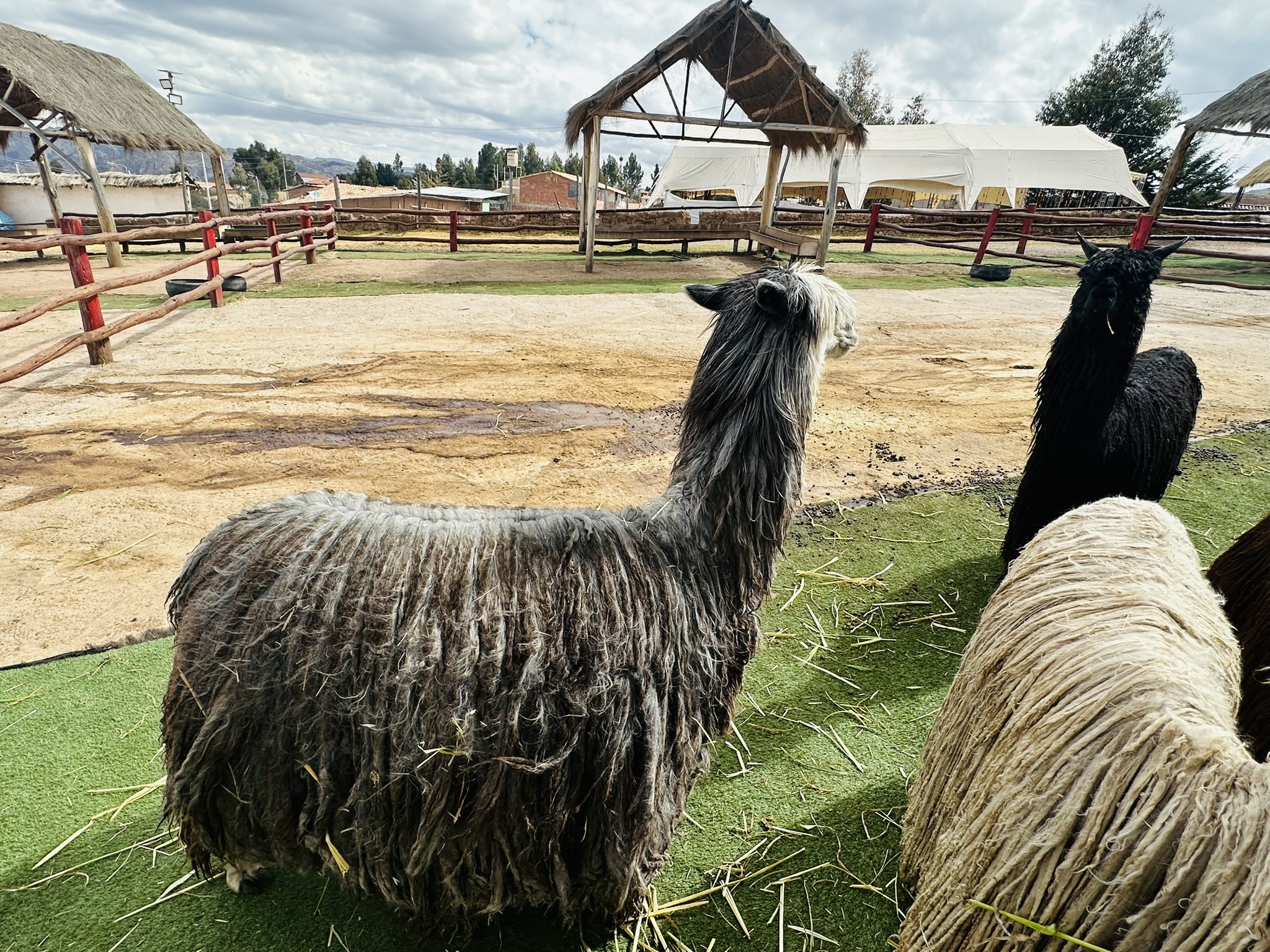
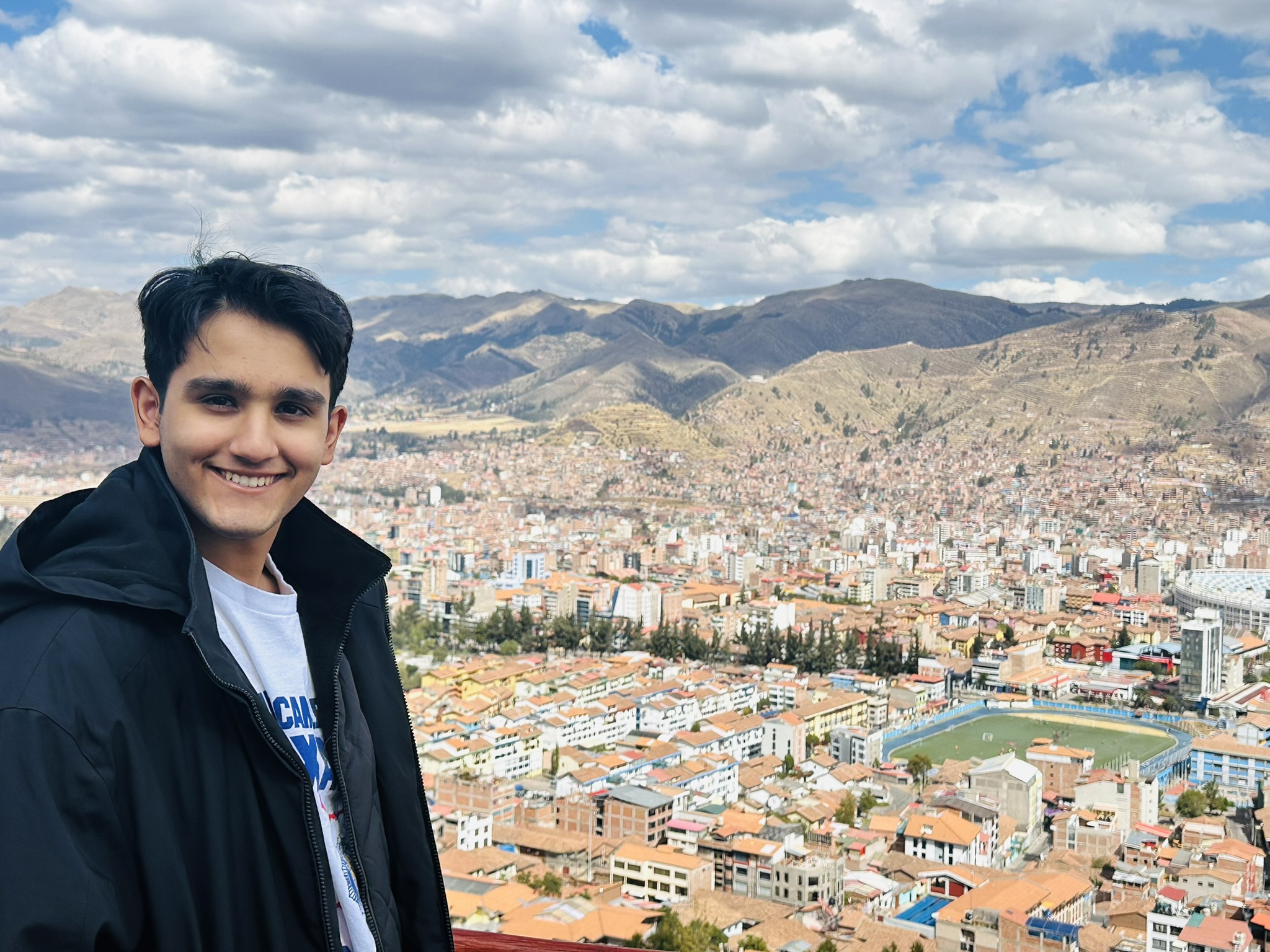
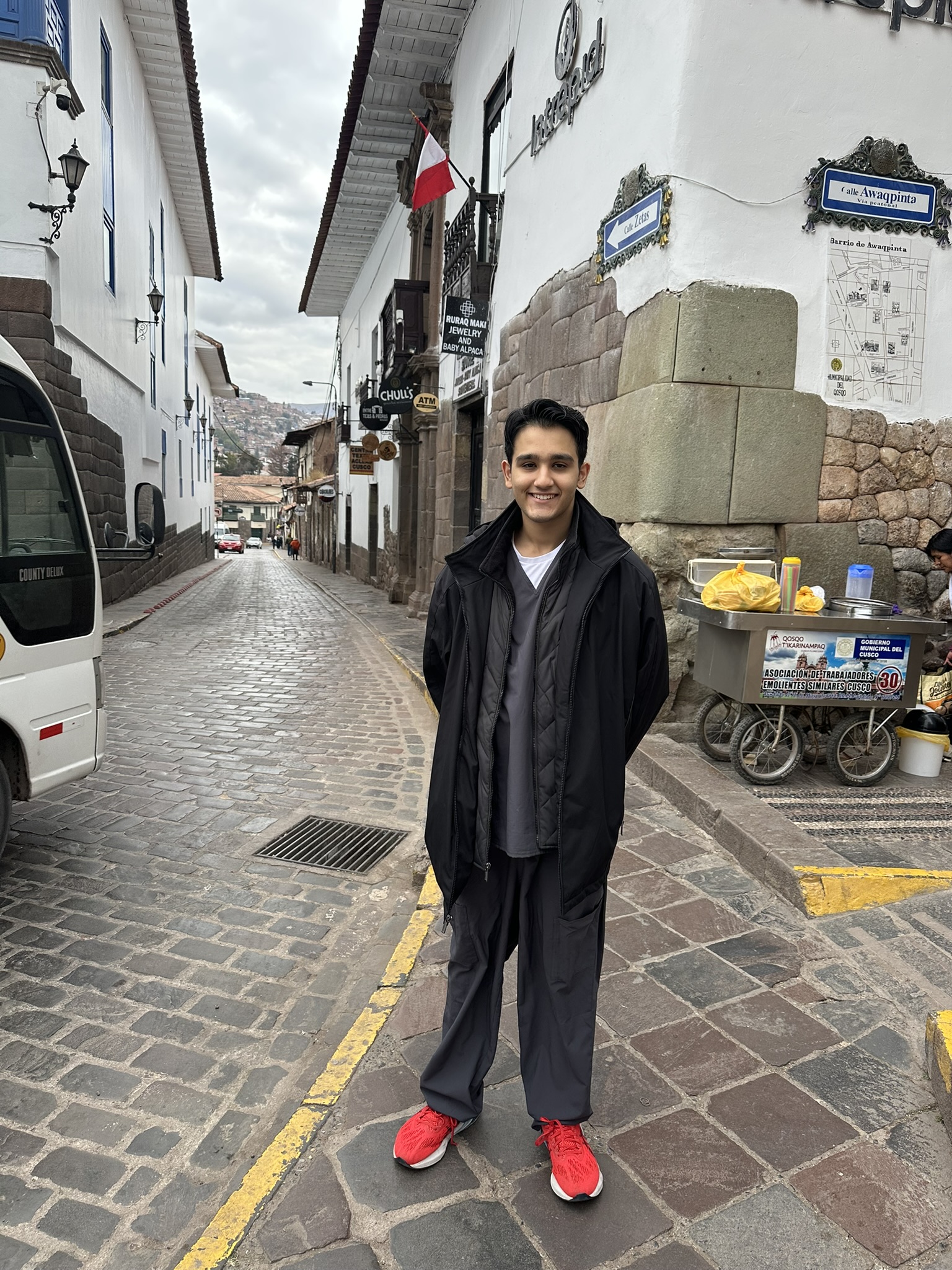
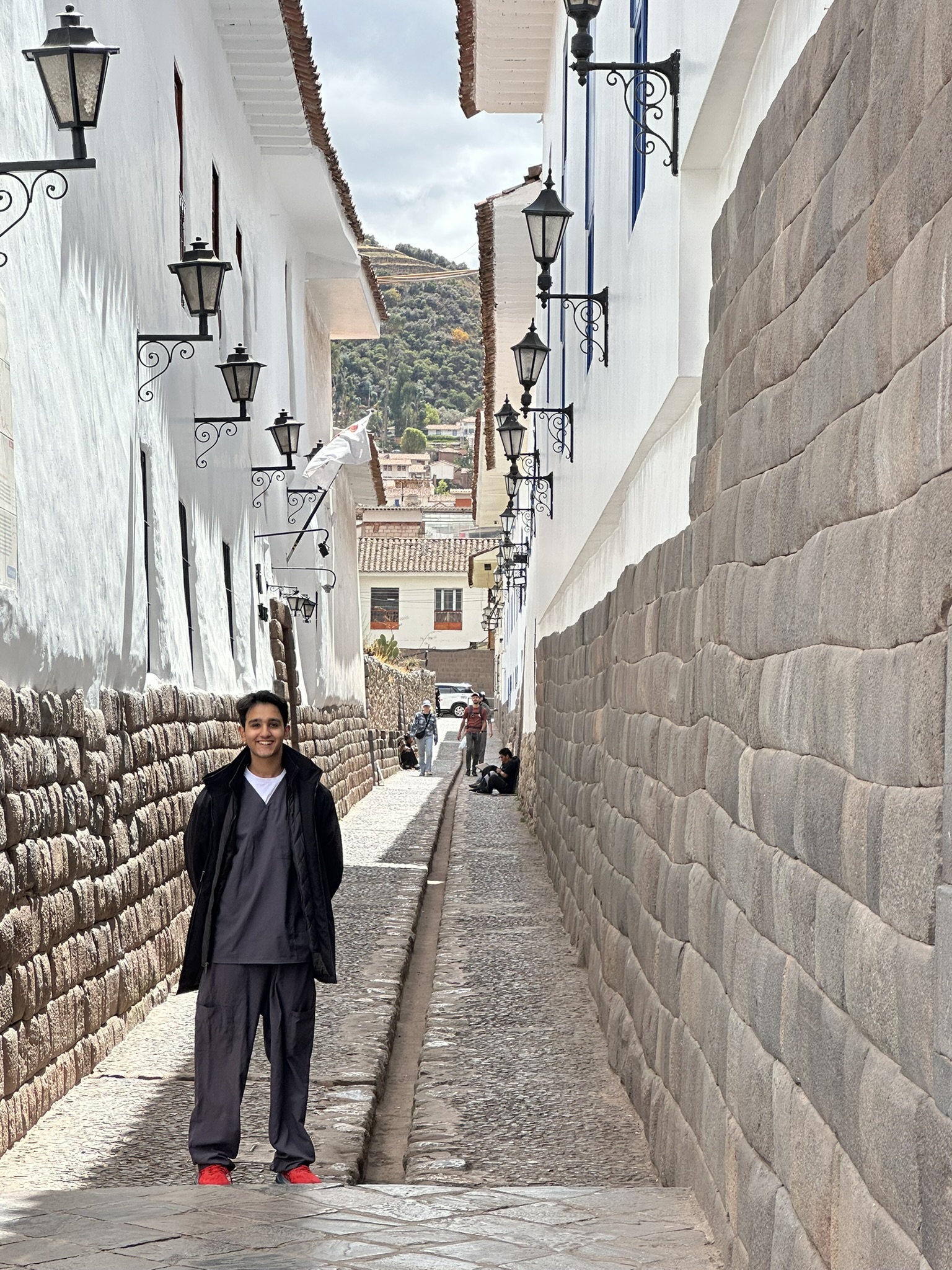
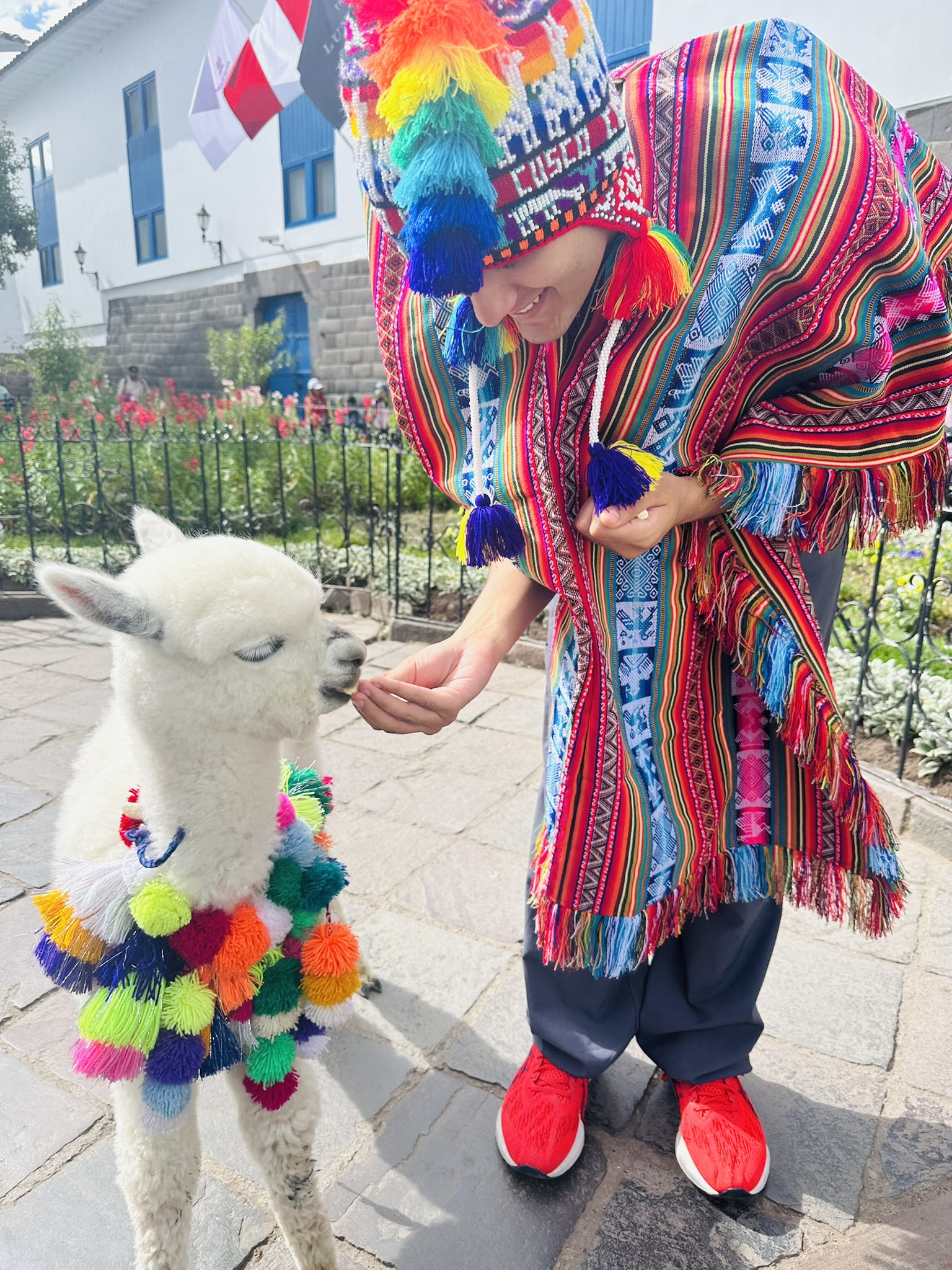
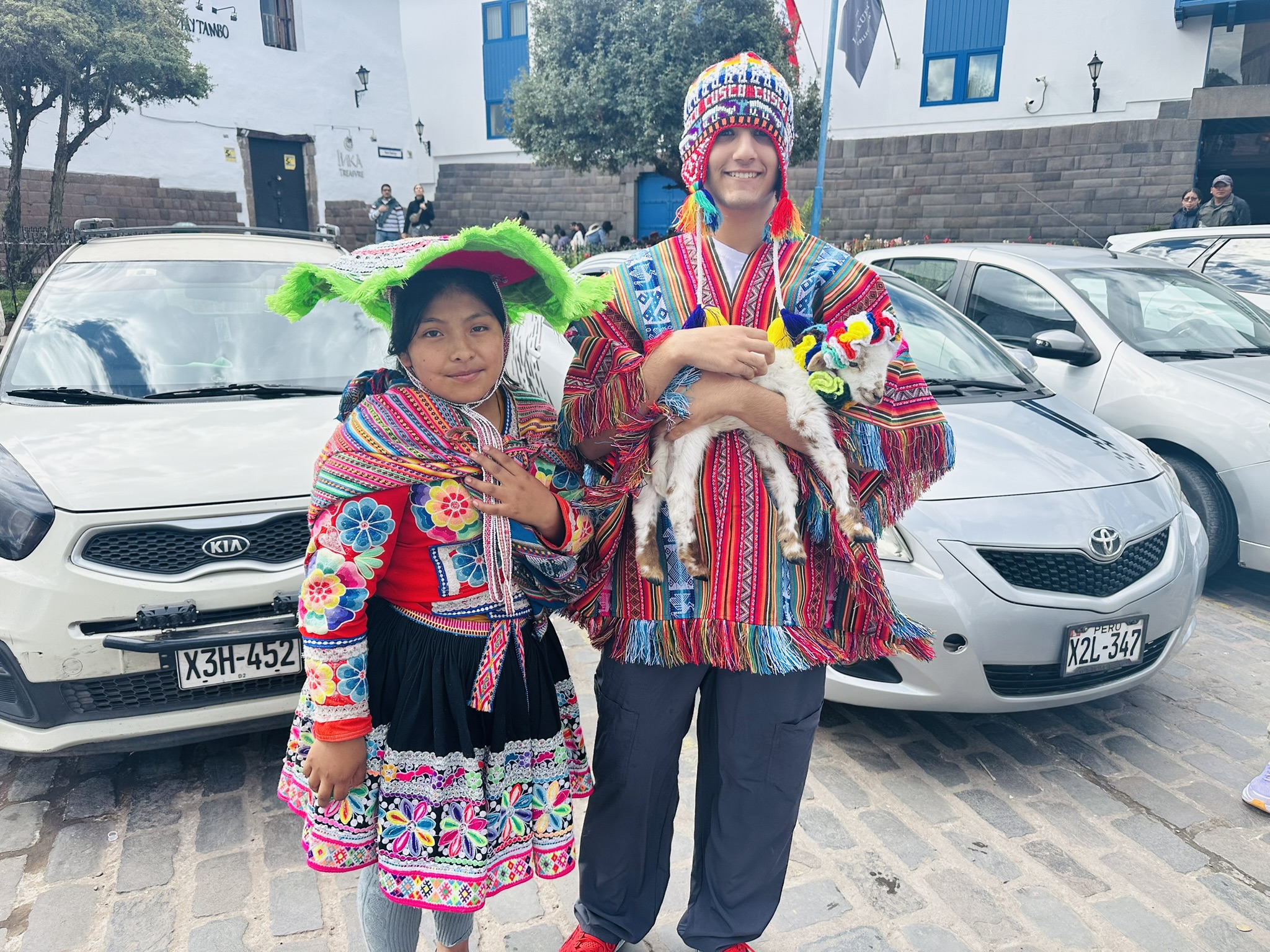
My work has crossed borders literally and emotionally.
Medical Volunteer (2024,2025) | Researcher (2024,2025)
I am not a trained historian, anthropologist, or a physician. I am a junior in high school, who still has to worry about the usual keeping up grades and whose life experience can be boiled down to an exciting 2 years. But I am also a writer, a researcher, and a curious person, who believes that age is no barrier to passion. My generation has grown up in a world of instant answers, digital textbooks, and social media platforms. But I have always been drawn to slower stories, the ones carved into stone, passed down in oral traditions, or woven into textiles. I wanted to understand a culture not from the outside looking in, but from within the eyes of someone who understands the concepts behind the complexities that make up something as rich as a place’s culture. Peru offered me that chance.
I have always been captivated by the intricacies of the how the human body works, the incredible ability of medicine to navigate its complicated machinery, and the histories that shape our experiences and inventions. When I first stepped onto Peruvian soil, the reality of where I was set in. It wasn’t just the altitude that took my breath away 🙂 . It was the realization that I had entered a land where the approach to medicine was more holistic, about connection: to the earth, to family, and to ourself.
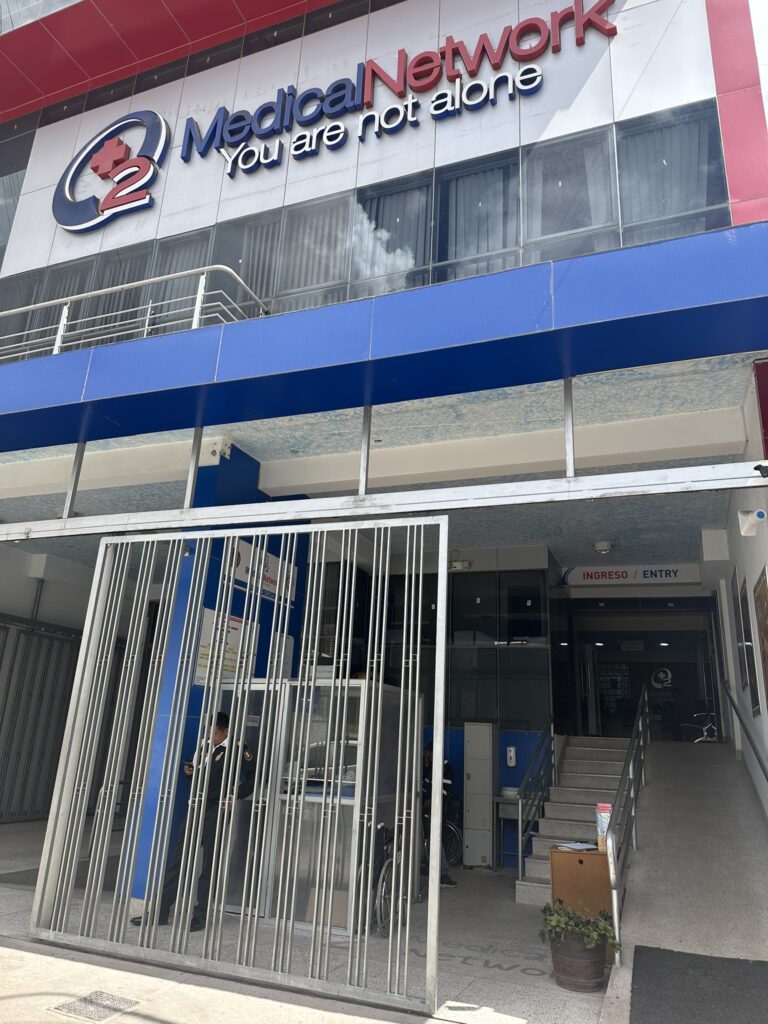
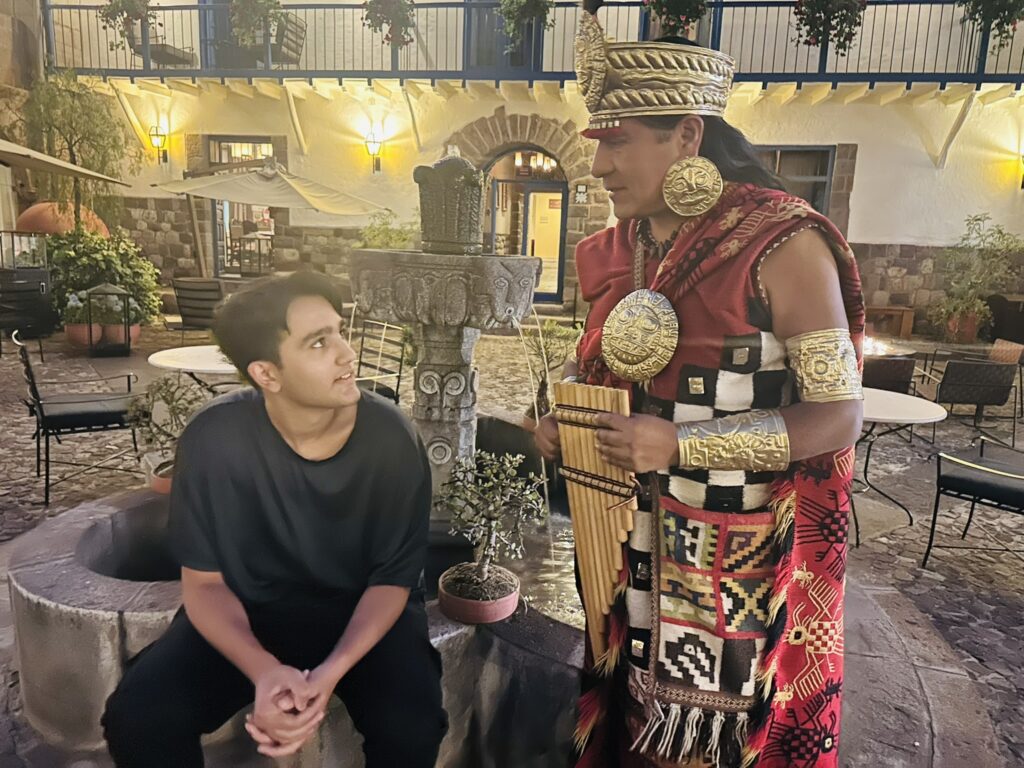
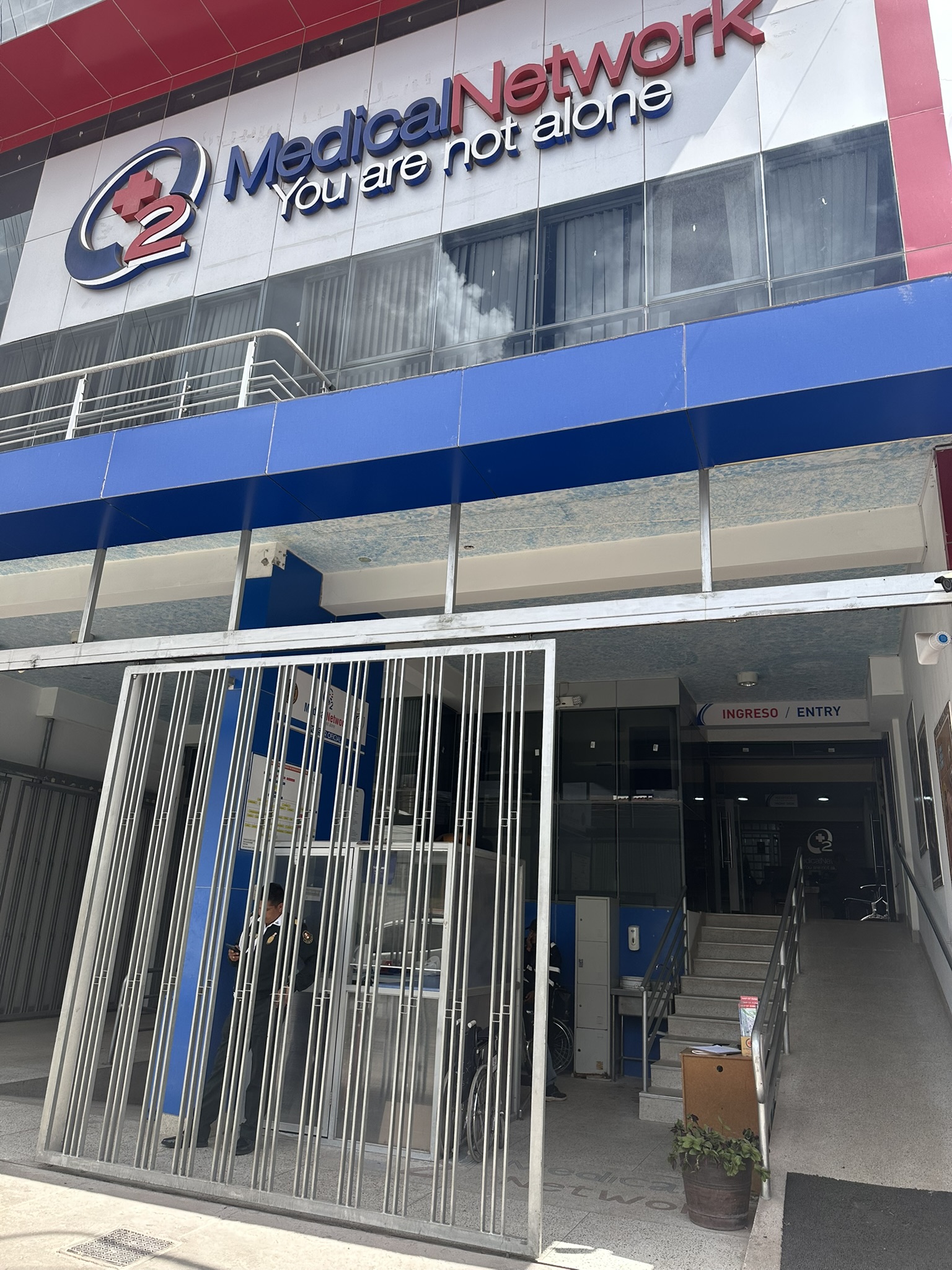
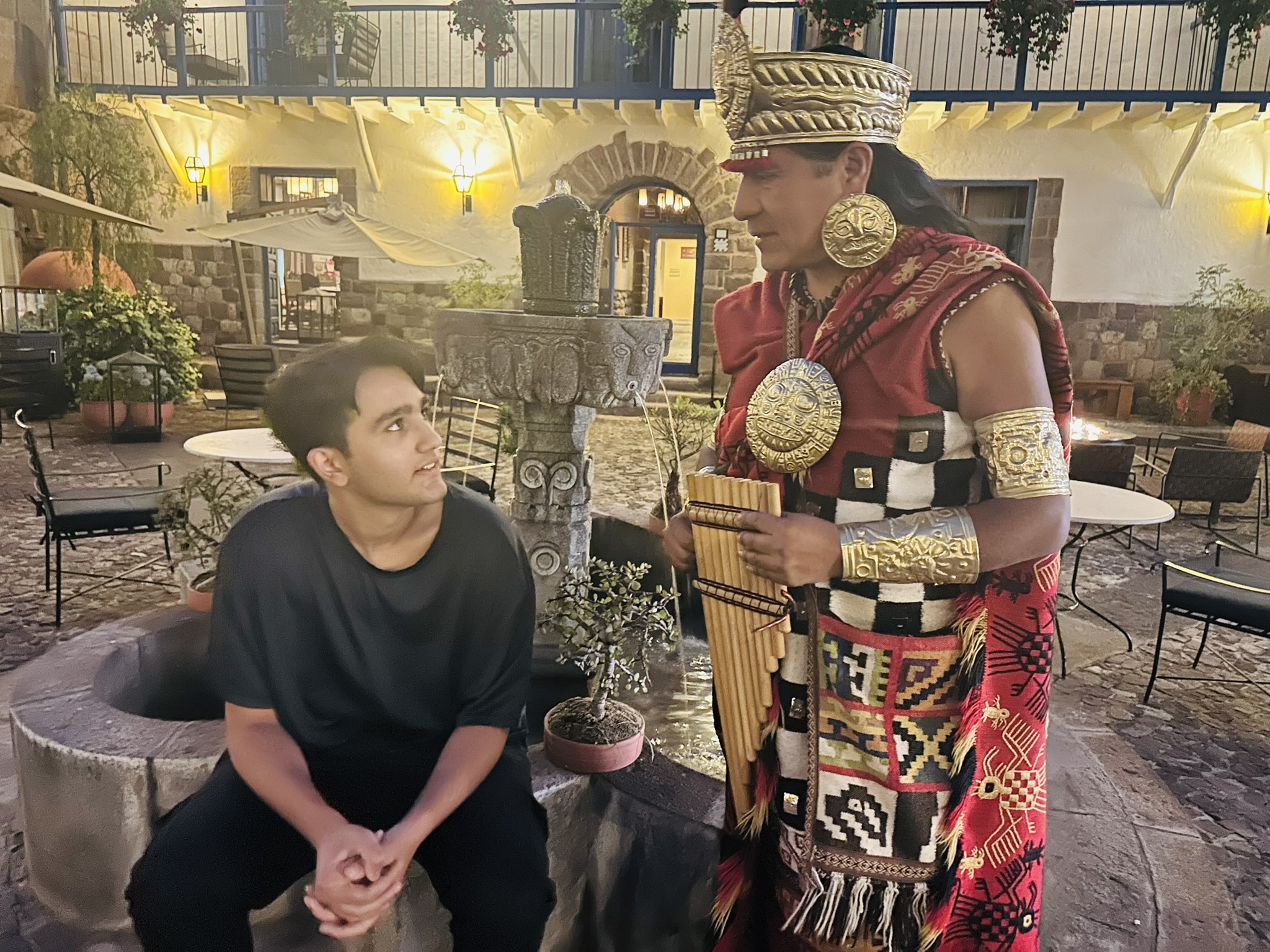
In Peru, I volunteered 200+ hours in medical clinics, shadowed doctors, educated children on oral hygiene, and tried my best to absorb more of the languages I was exposed to, including Quechua, the ancient Andean language still echoing through the mountains. Through conversations with shamans, community leaders, and local doctors, I came to understand healing in a more holistic way was not just sutures and stethoscopes, but also the strength of our mind and resolve.
My travels to Peru were not one-time visits. I went more than once, each time trying my best to become better at how much I was willing to be exposed to the culture. While visiting Peru, I sought to bridge my own gap in understanding in the ways people around the world approach medicine and bettering themselves.
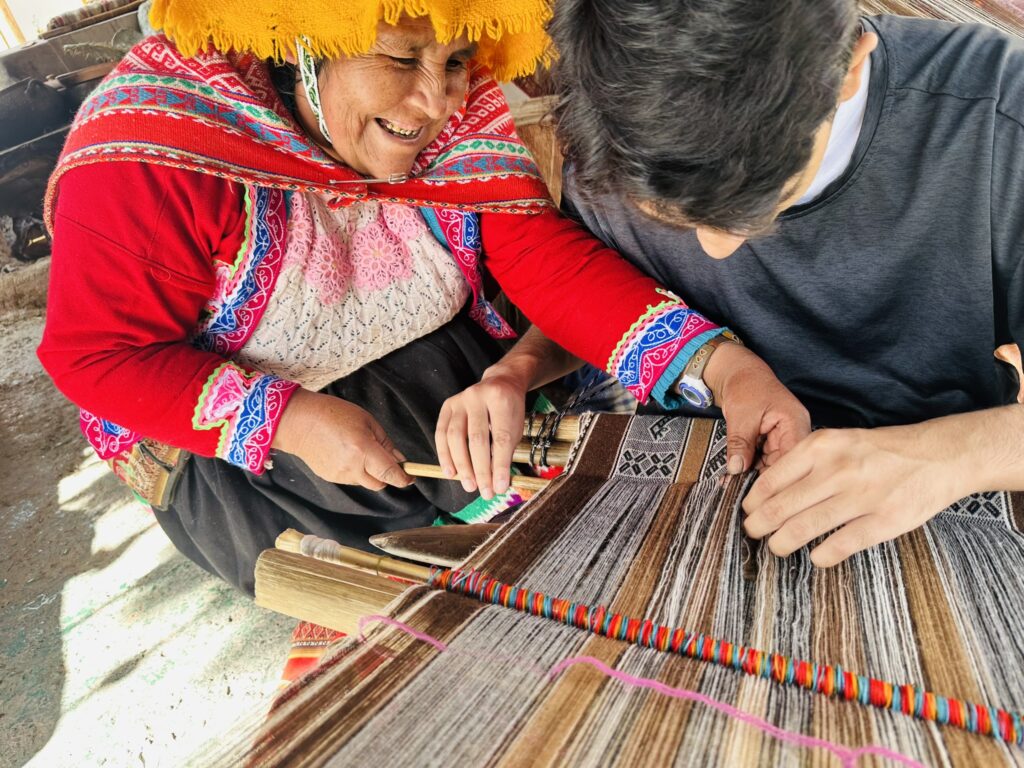
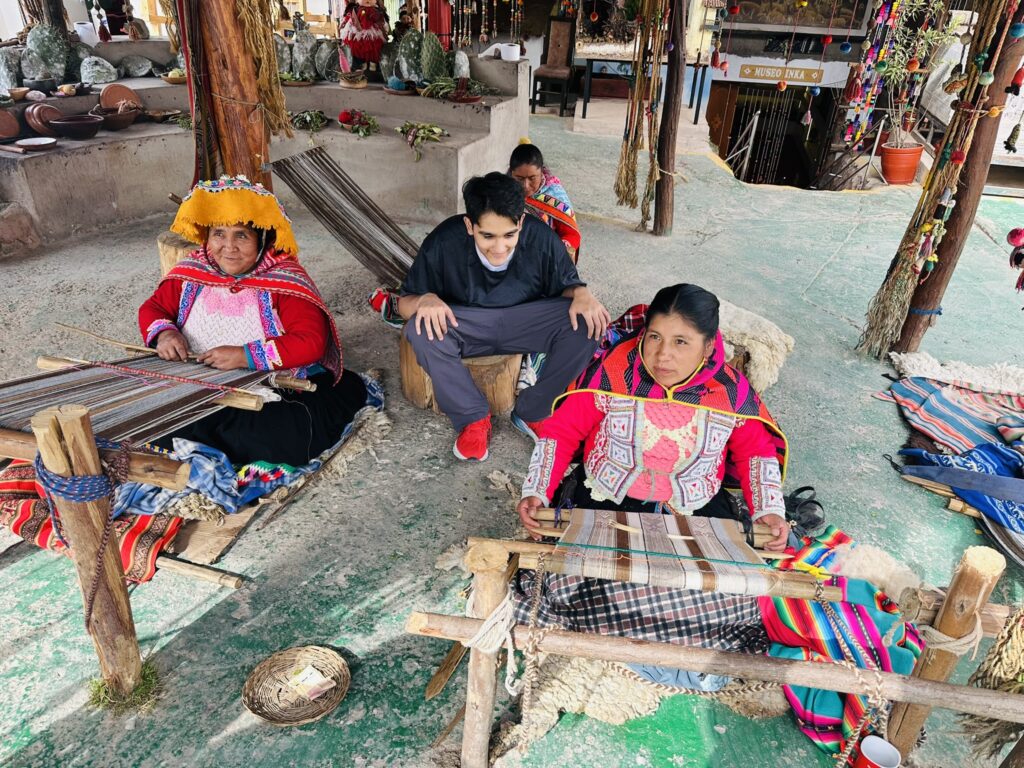
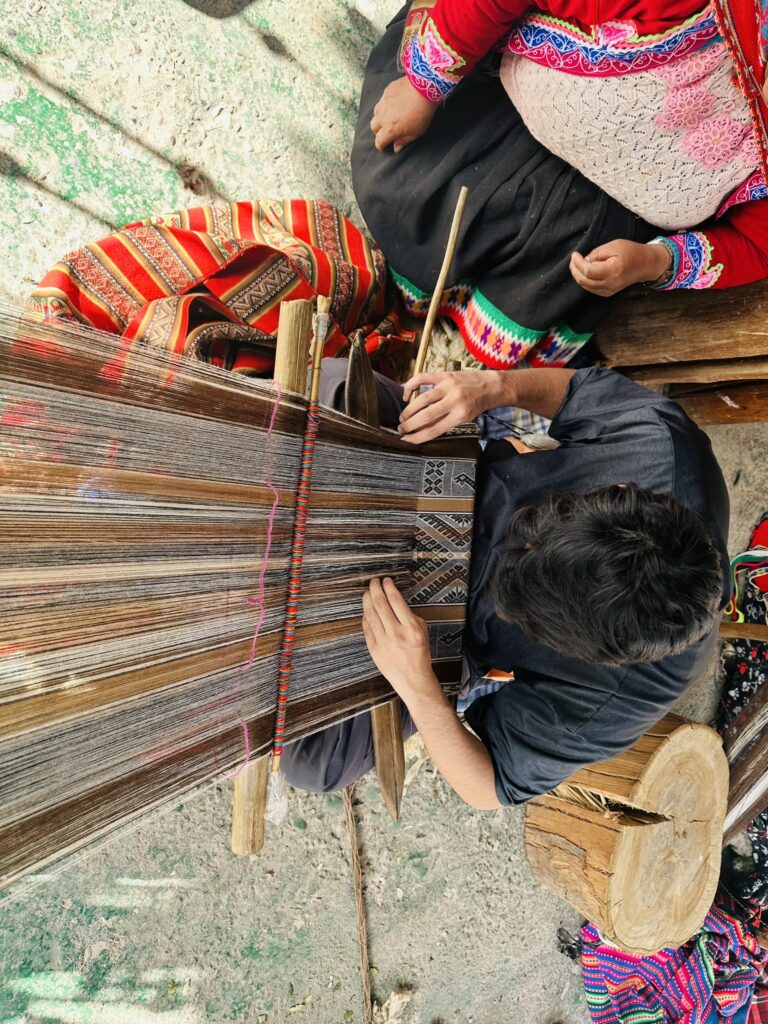
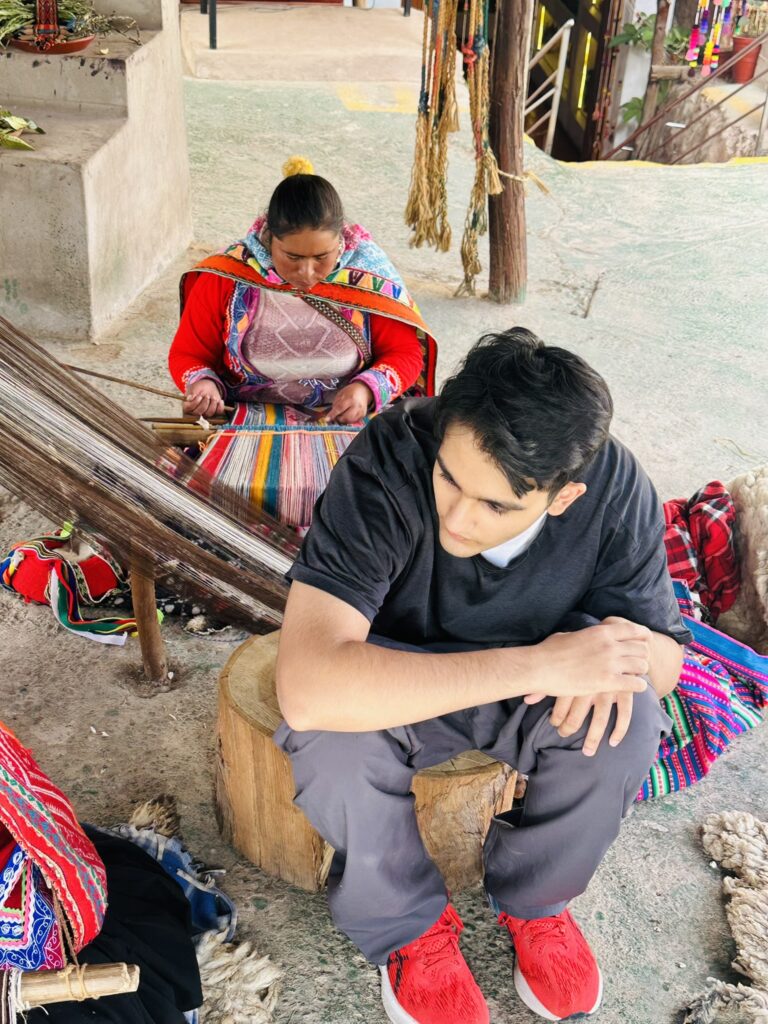
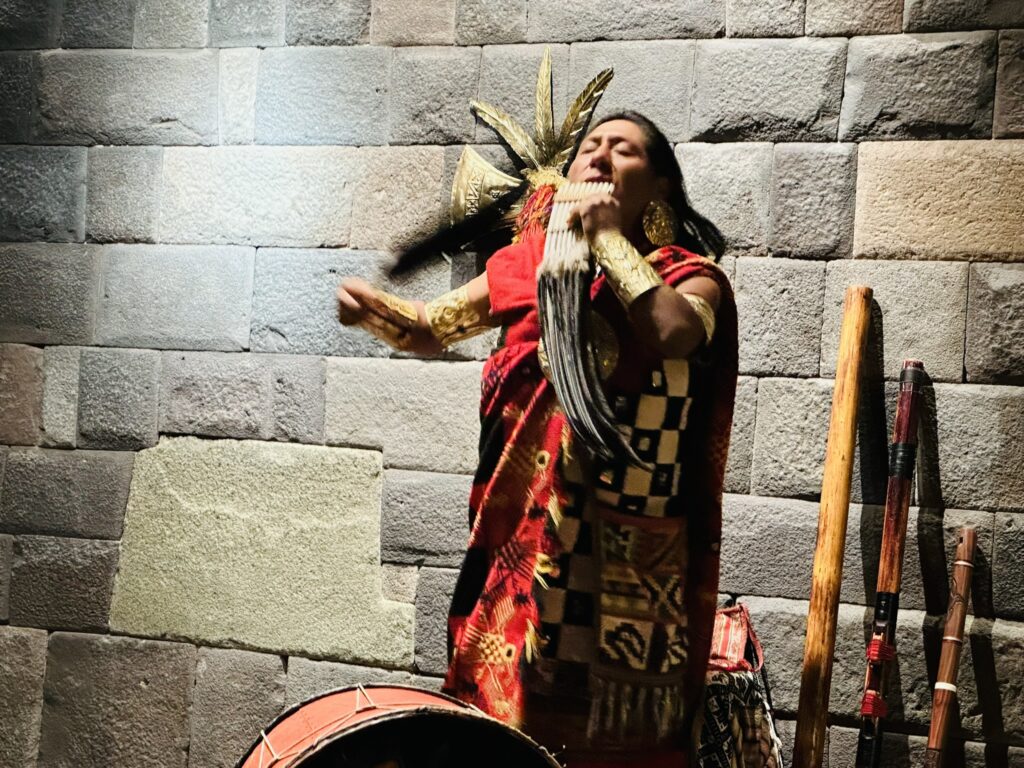
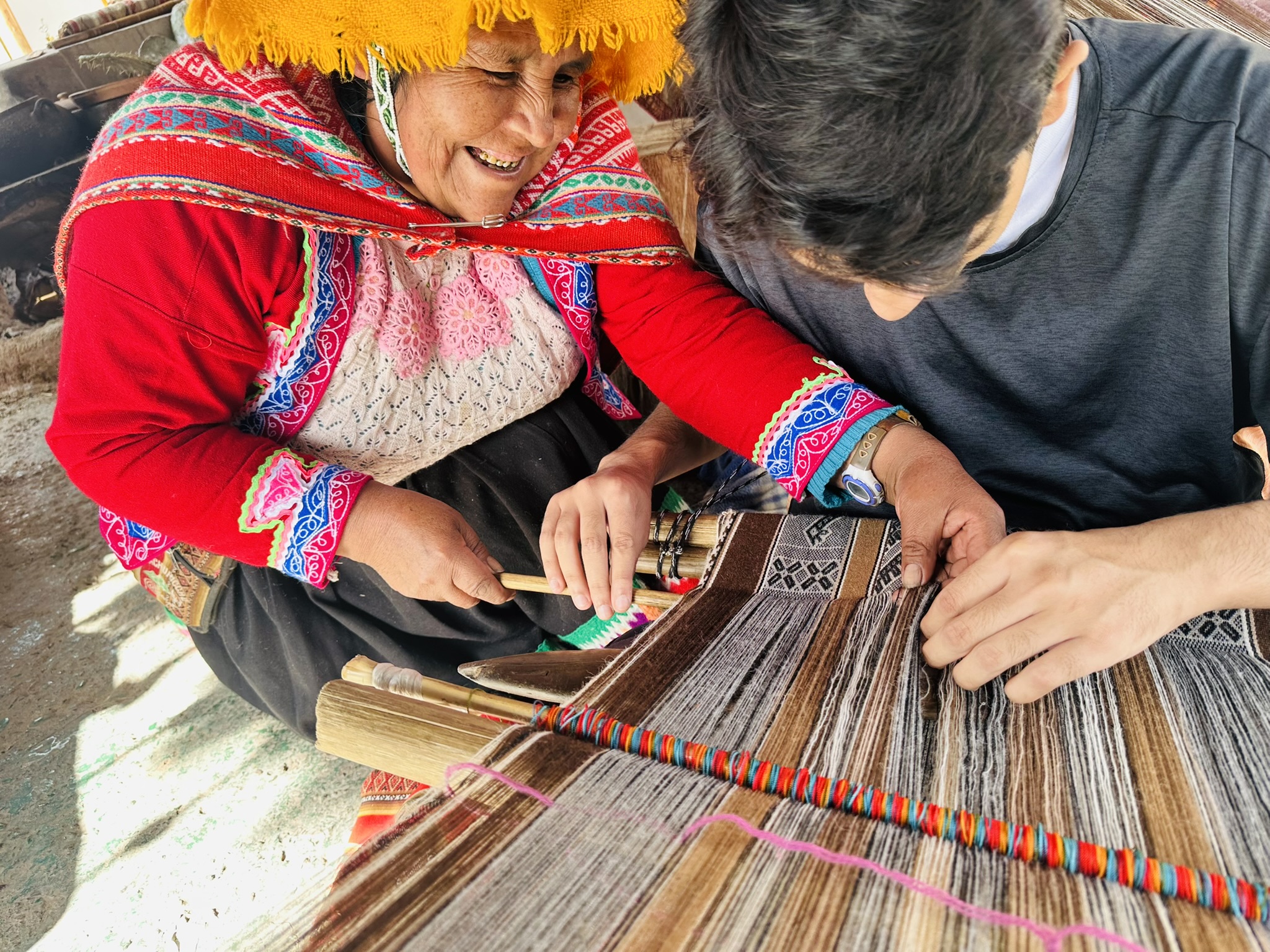
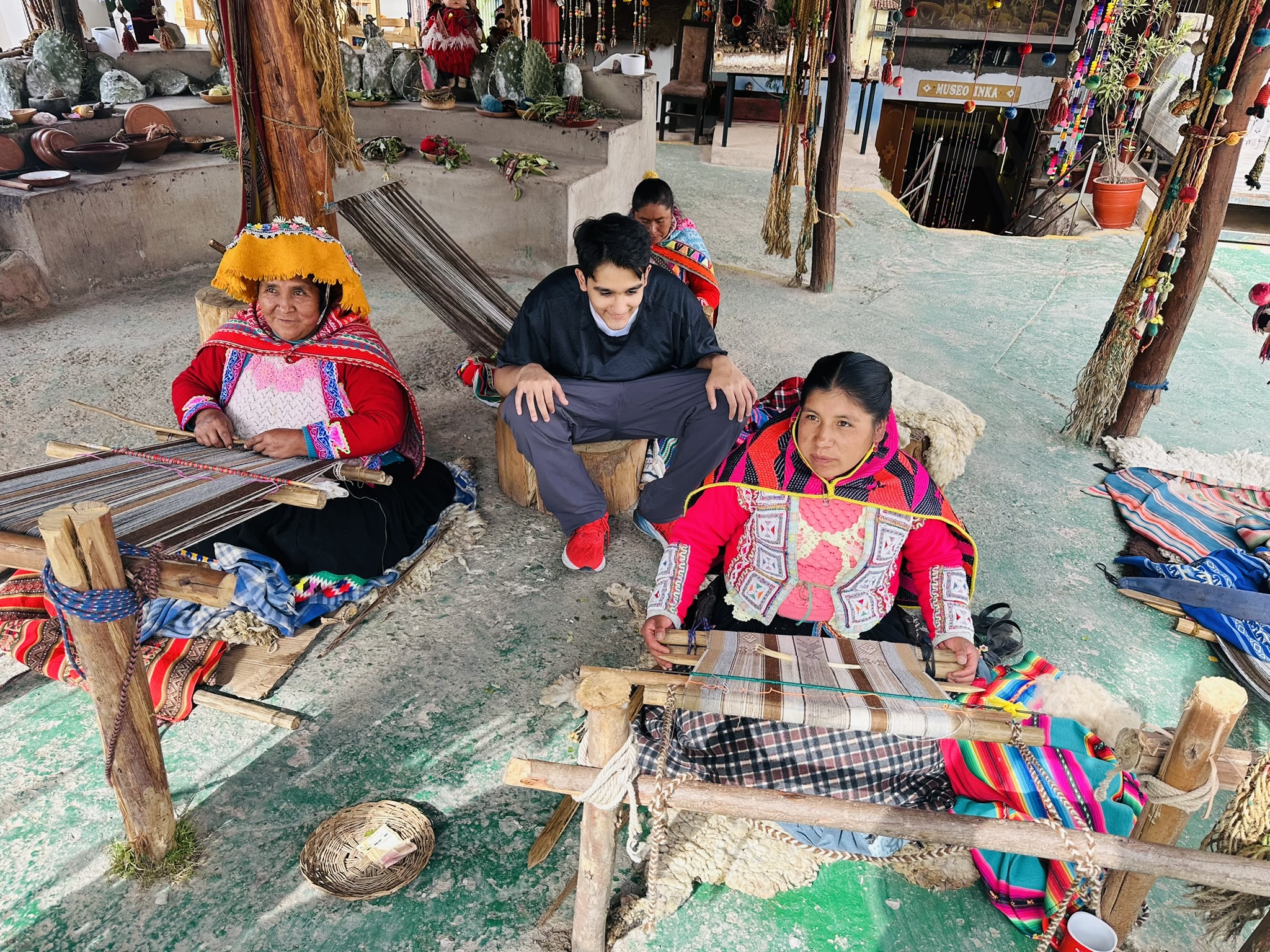
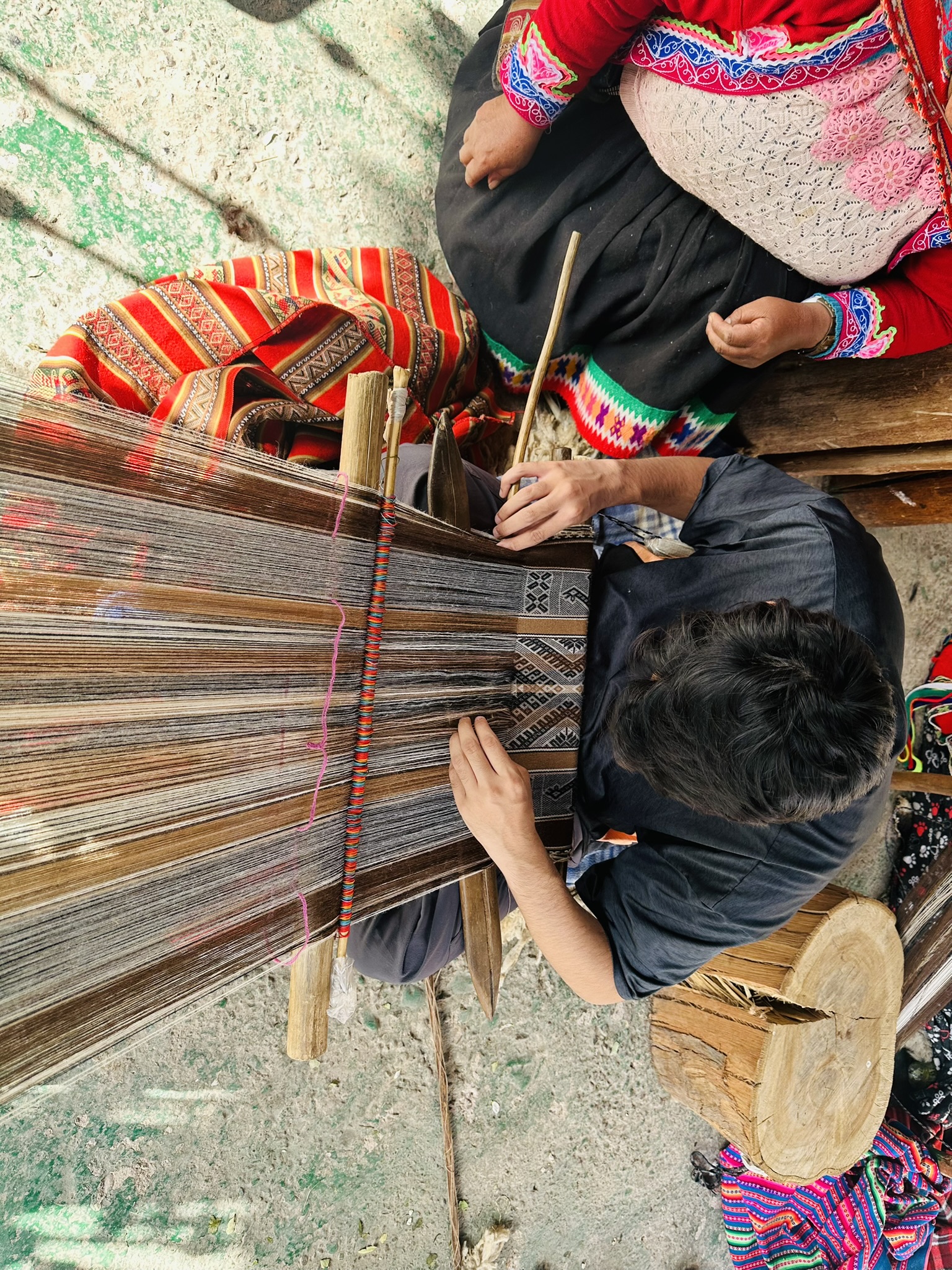
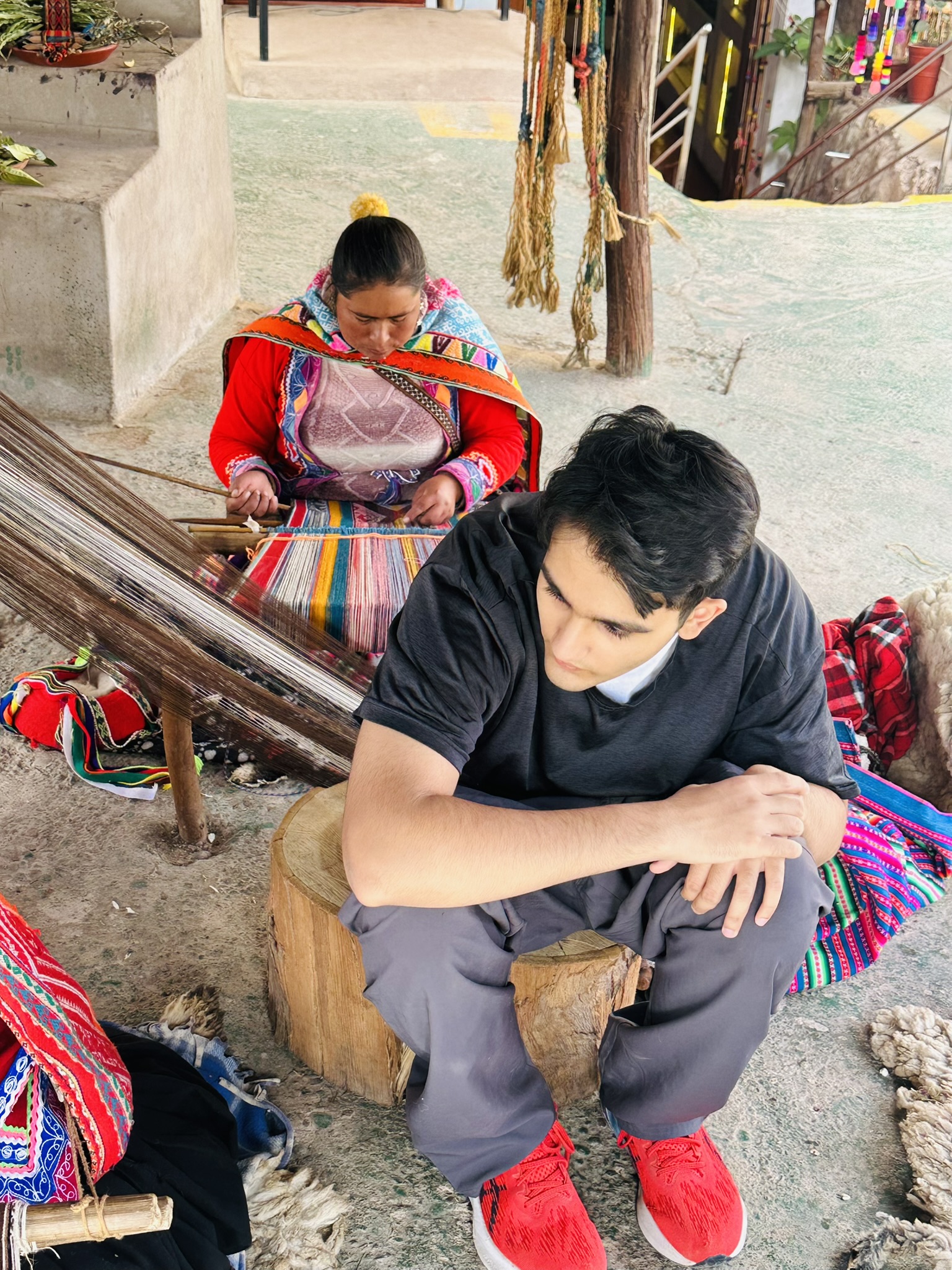
My journeys through the grandeur of Machu Picchu, the tight turns of the Inca Road systems, the incredible artform that is the Andean textiles, and the medicinal wisdom rooted in plants that have saved lives long before they were named in modern journals have been some of the most important in my life. But more importantly, they led me to the people who have kept these traditions alive despite colonization and globalization, people who I was fortunate enough to meet and listen to.
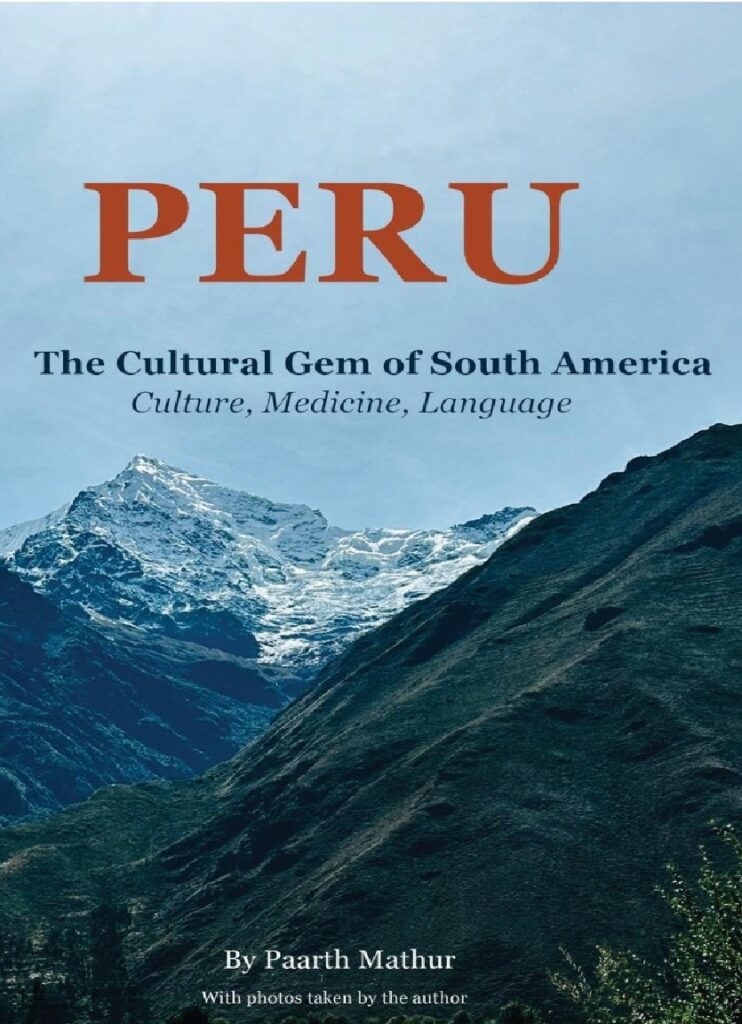
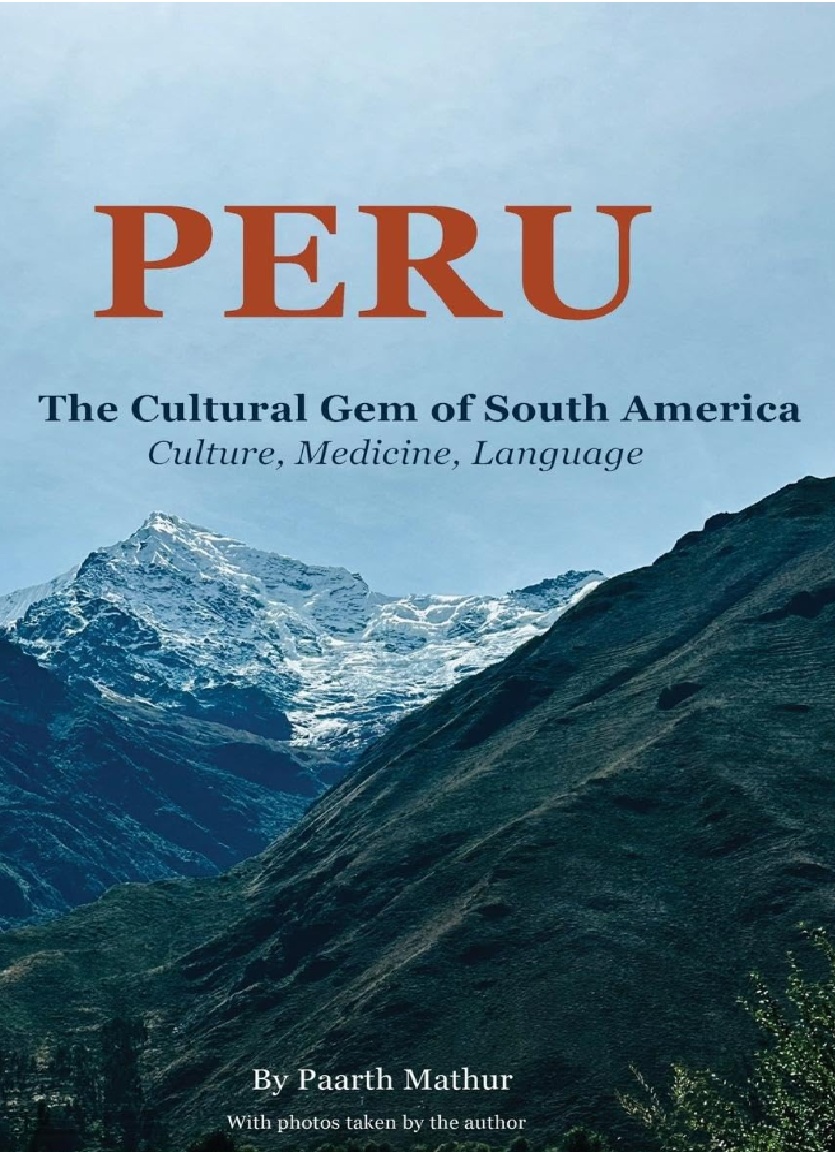
That experience led me to write and publish articles in the Peruvian Times, author a book on Peru and I’m currently working with a professor from the London School of Economics to digitize and preserve Quechua oral traditions. I was truly honored to be a part of a journey to keep the traditions of a culture alive, as it is those cultures that give life and meaning to our planet, making it more than a rock floating in space.
Peru taught me humility. The deeper I went into Peru’s past, the more I realized how much remains unknown, misunderstood, or misrepresented. I wrestled with the responsibility of being an outsider writing about a culture that isn’t mine. I worried about whether I had the right to interpret Andean spirituality or speak about Inca medicine. But I realized culture is something to be shared, even if you are not a member of it. I wanted more people to be aware of the rich culture that still exists to this day. I felt sharing that was also a way to share a bit of an experience that cannot truly be fully understood until you undertake to go.
To my fellow young people: may you never believe you’re too young to contribute to global conversations. Whether you dream of discovering new planets, reviving lost languages, or writing stories that cross borders, know that your voice matters. The world is waiting not just for experience, but for ingenuity.
Let’s begin the journey.